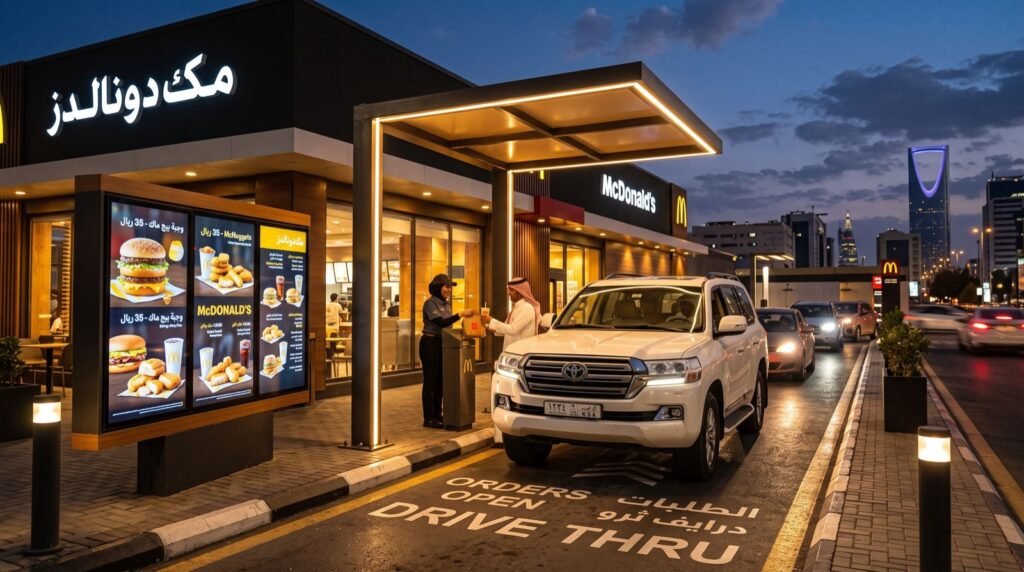
Drive-Thru Technology in 2026: The Telecom Behind Faster Lanes
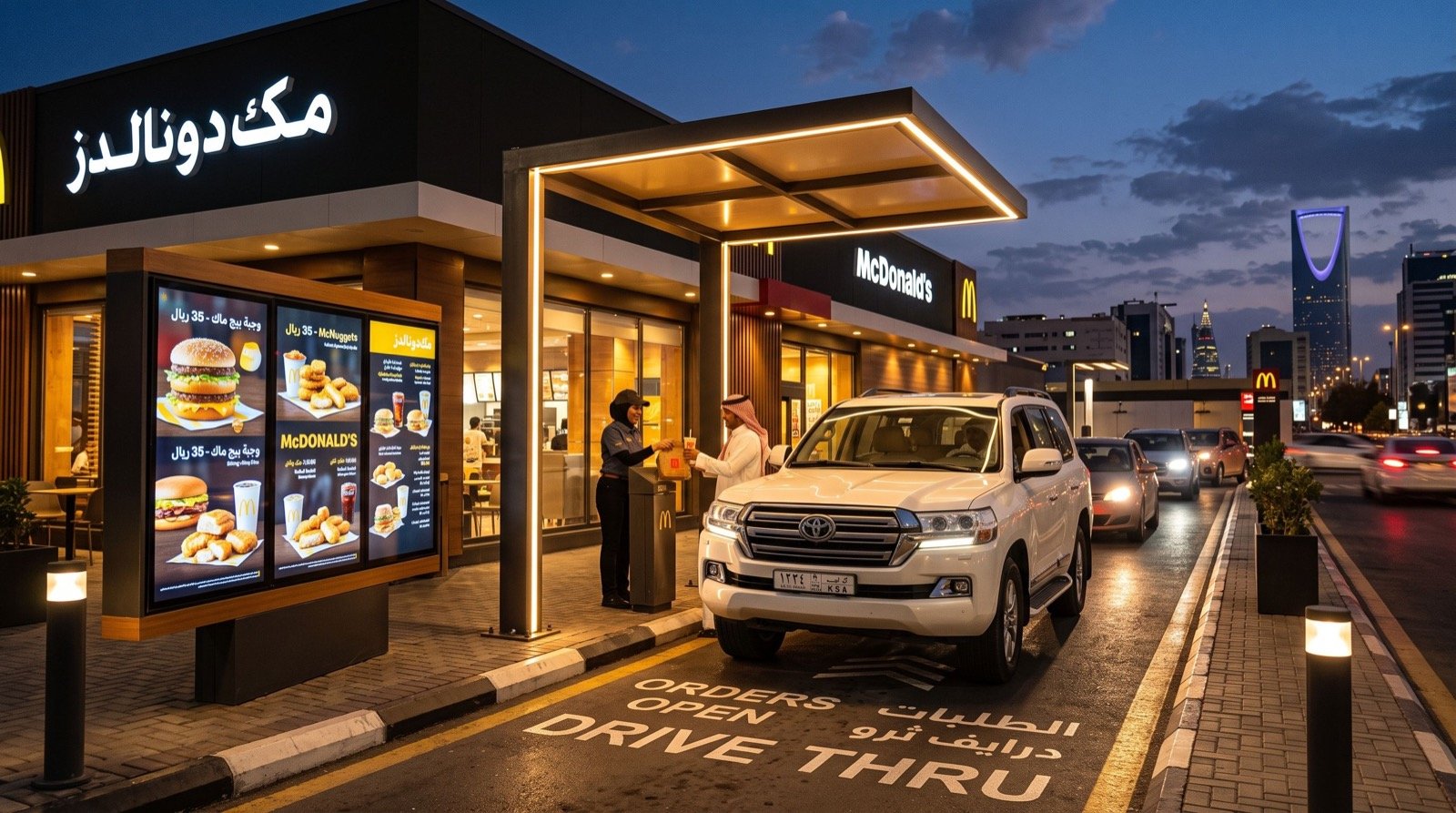
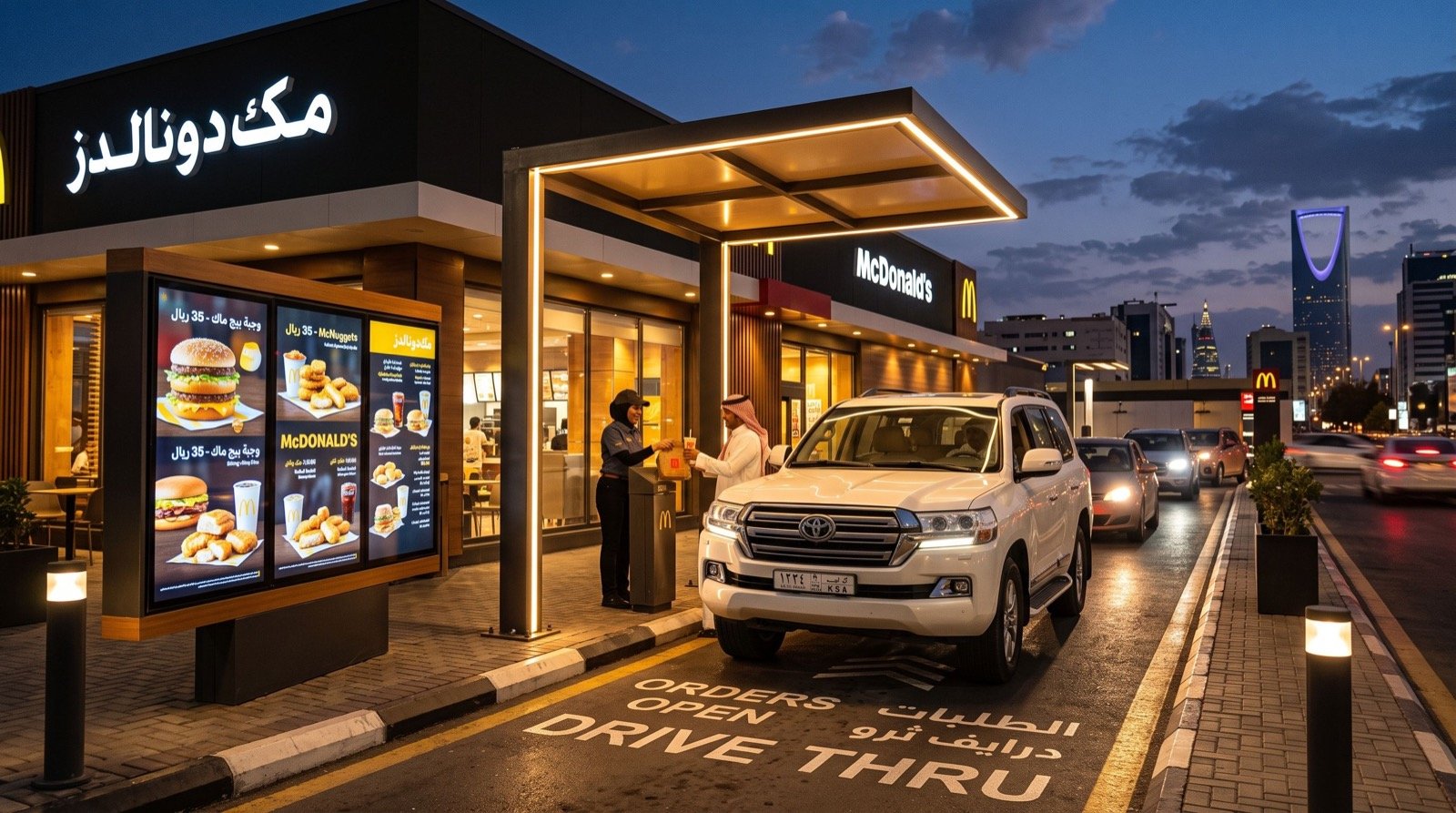
Every quick-service restaurant lives and dies by the lane, and in 2026 drive-thru technology has quietly become one of the most demanding telecom deployments in retail. Between order confirmation boards, timers, headsets, and payment links, a single lane can run more connected devices than a small office. Get the network right and cars fly through; get it wrong and the line spills onto the street.
Our crews have commissioned lanes across the region, and the pattern is consistent: the brands that win on speed treat the drive-thru as an IT project, not just a kitchen add-on. Here is how the pieces fit together.
The Anatomy of a Connected Lane
A drive-thru is a chain of real-time systems, each depending on low latency. If one link stalls, the whole lane backs up. Think of it as a mini telecom network stretched across the parking lot.
- Vehicle detection loops that start the service timer automatically.
- Two-way audio linking the order taker and the customer.
- Digital menu boards that update pricing and promos over the network.
- Lane timers that measure each stage against a target.
- Point-of-sale and payment endpoints that need encrypted, uninterrupted links.
Why latency is the hidden enemy
Customers judge a lane in seconds. A half-second lag on the speaker post or a frozen menu board feels like poor service even when the food is perfect. That is why we specify dedicated VLANs and prioritized traffic so audio and payment never compete with marketing content.
How Drive-Thru Technology Cuts Wait Times
Speed gains rarely come from one upgrade. They come from stacking small wins across the whole journey. Here is the sequence we optimize on every install:
- Detect the car instantly so the timer and greeting trigger without delay.
- Confirm the order on a screen to reduce costly remakes at the window.
- Route audio over a clean channel so order takers hear clearly the first time.
- Pre-stage payment so the transaction is ready before the car reaches the window.
- Measure every stage and coach teams against the slowest step.
Proven hardware stacks make this repeatable. A purpose-built PAR Drive Thru in Saudi Arabia deployment bundles timers, audio, and reporting into one managed platform, which simplifies support when a lane goes down at peak hour.
Drive-Thru Versus In-Store Queuing
Many operators ask whether lane tech and lobby tech should share a backbone. In most cases they should, because the analytics are more powerful when combined.
| Factor | Drive-thru lane | In-store counter |
|---|---|---|
| Primary metric | Seconds per car | Wait per ticket |
| Peak pressure | Rush-hour surges | Steady midday flow |
| Key risk | Audio or timer failure | Understaffed counters |
| Network priority | Latency-sensitive | Throughput-sensitive |
For sites that also serve walk-in traffic, pairing the lane with a queue management system in saudi arabia gives managers a single view of both channels, so staffing decisions reflect total demand rather than one door.
What Network Setup Does a Drive-Thru Need?
This is the question that trips up most new builds. The honest answer: more than you think, and with redundancy.
At minimum we specify a wired backbone to every outdoor post, weatherized enclosures, and a battery backup on the core switch. Outdoor cabling must be rated for heat and moisture, because a corroded connector at the menu board is the most common failure we are called to fix.
Wireless headsets need clean spectrum, too. According to the Federal Communications Commission, interference management on shared bands directly affects audio reliability, so a quick spectrum survey before launch prevents dropouts later.
A practical pre-launch checklist
- Survey the wireless band for nearby interference.
- Label and test every outdoor cable run under load.
- Confirm payment traffic is isolated and encrypted.
- Set timer targets per stage and verify reporting syncs.
Choosing a Partner Who Knows the Region
Global brands are great, but outdoor telecom needs hands that can reach the site fast. We always advise clients to engage reliable local experts who can carry spare headsets, swap a failed timer, and tune the network without waiting days for a remote ticket.
Ask for a guaranteed response window, a stock of common spares, and documented cable maps for your site. Those details decide whether a Friday-night outage lasts ten minutes or two hours.
Common Lane Mistakes to Avoid
Most underperforming lanes share a handful of avoidable errors. Spotting them early saves money and spares your team a stressful launch week.
The biggest one is treating the drive-thru network as an afterthought, sharing the same flat Wi-Fi as the dining room and guest devices. When marketing video and payment traffic compete, latency spikes and the lane stutters at exactly the wrong moment.
The errors we fix most often
- No wired backbone to outdoor posts, relying on fragile wireless links.
- Skipping a spectrum survey, then chasing headset dropouts for weeks.
- No battery backup, so a flicker resets timers and menu boards.
- Ignoring seals and enclosures, inviting heat and moisture failures.
Scaling Drive-Thru Technology Across Sites
A single lane is a project; a fleet of lanes is a program. Once you run more than a few sites, consistency becomes the real challenge, and remote management becomes essential.
We standardize hardware models and network templates so every site behaves the same way. That means a technician who fixes one lane can fix them all, and reporting rolls up cleanly to a regional dashboard.
Centralized monitoring also lets you spot a degrading headset battery or a slow lane before customers complain. Proactive alerts turn support from firefighting into routine maintenance, which is where real savings live over a multi-year rollout.
Frequently Asked Questions
How fast should a drive-thru serve each car?
Top operators target well under three minutes from order to handoff, though the exact goal depends on menu complexity. The key is measuring each stage so you fix the slowest one.
Can drive-thru technology work during an internet outage?
Core functions like audio and timers run on the local network, so the lane keeps moving. Only cloud reporting and card authorization pause until connectivity returns.
Do digital menu boards really speed up the lane?
Yes. On-screen order confirmation reduces mistakes caught at the window, which is where remakes cause the biggest delays and backups.
How often should outdoor hardware be serviced?
We recommend a check every quarter in hot climates, focusing on cable connectors, enclosure seals, and headset batteries, which degrade fastest outdoors.
Conclusion
In 2026, drive-thru technology is as much a telecom discipline as a restaurant one, and the lanes that win treat the network with the seriousness it deserves. Pair resilient outdoor hardware with prioritized traffic and a responsive local support team, and your lane stays fast even at the dinner rush. Want a lane that performs under pressure? Request a site survey and a tailored deployment plan today.