Drive Thru System in Saudi Arabia: 2026 Playbook
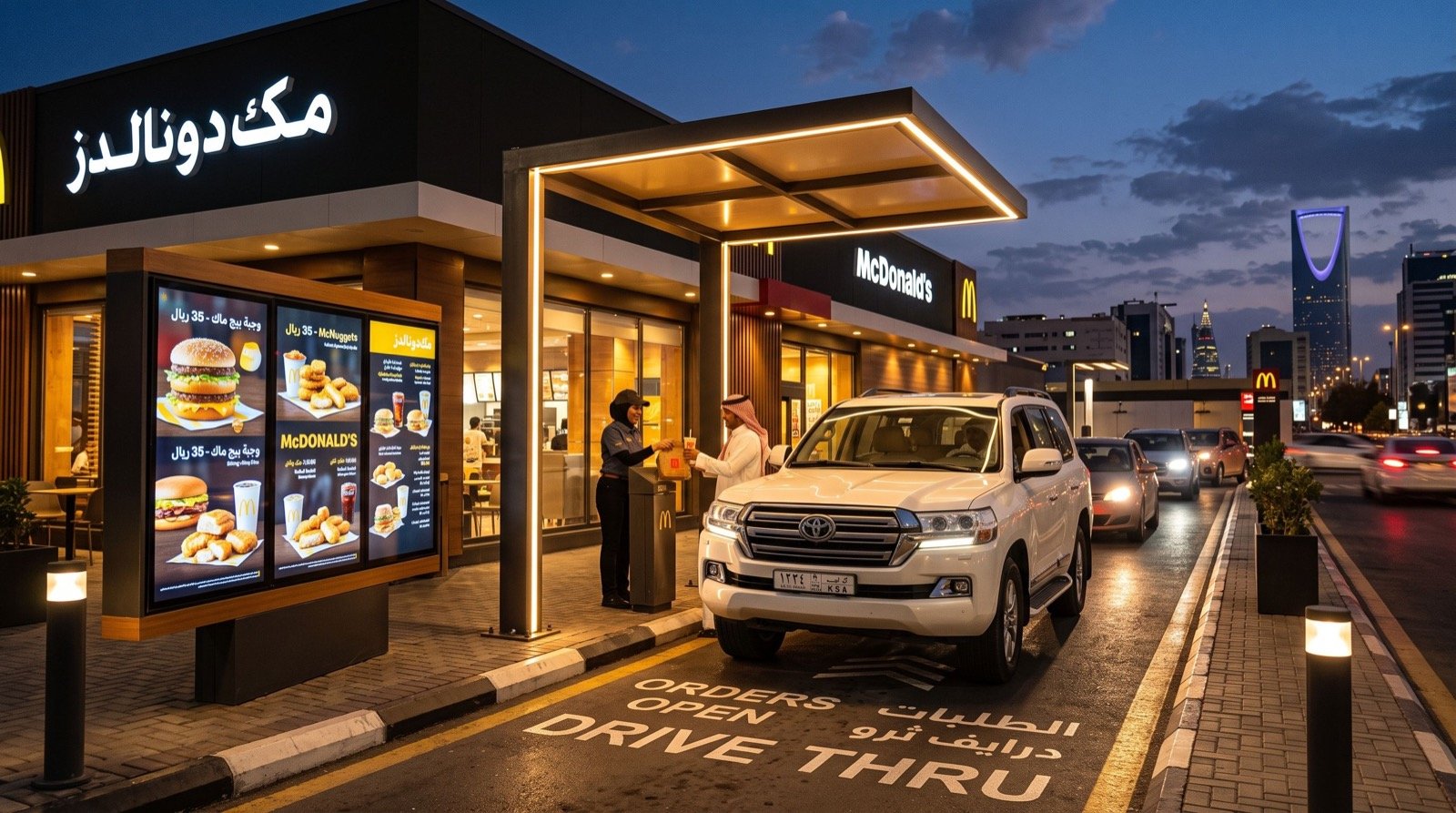
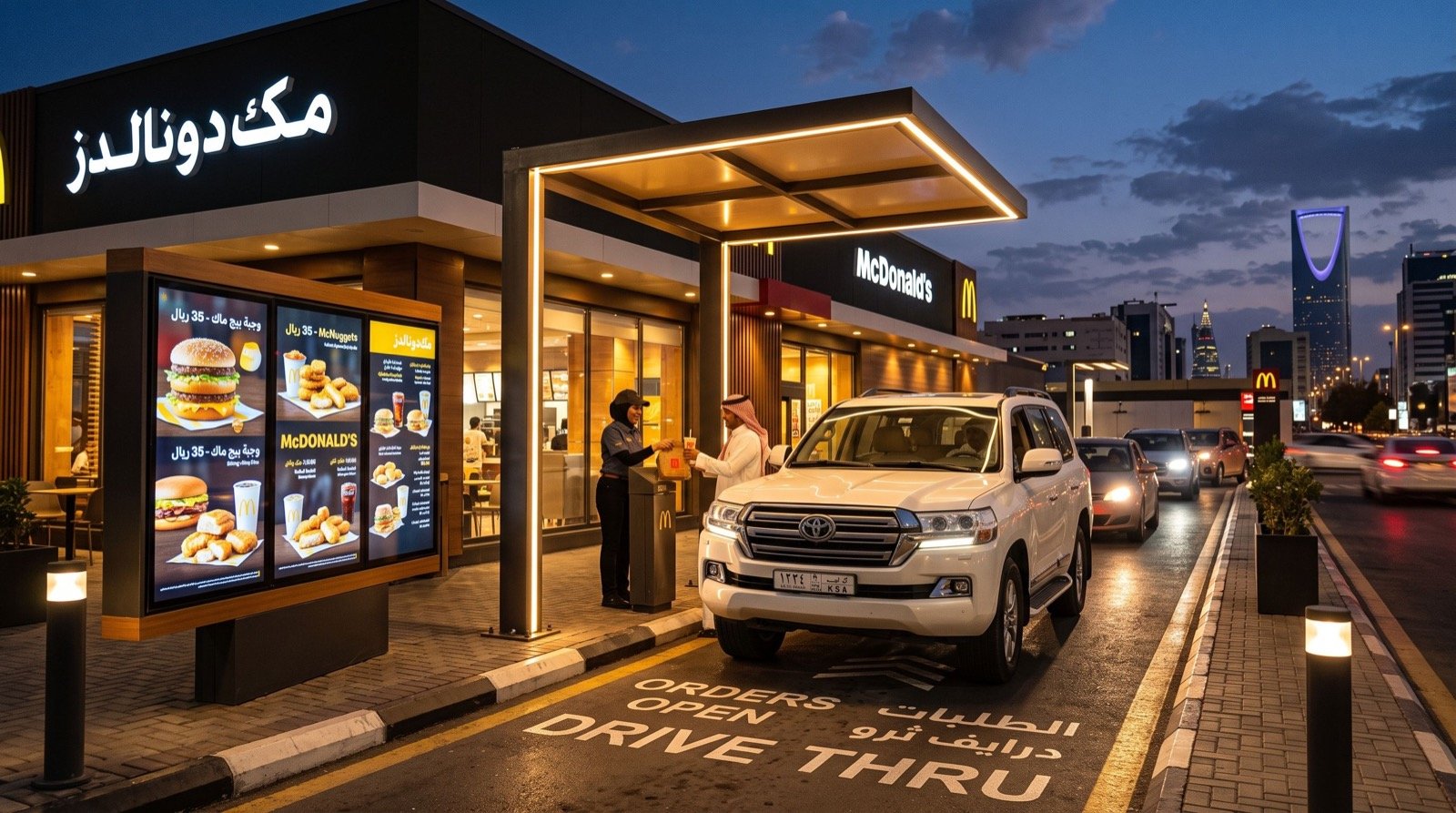
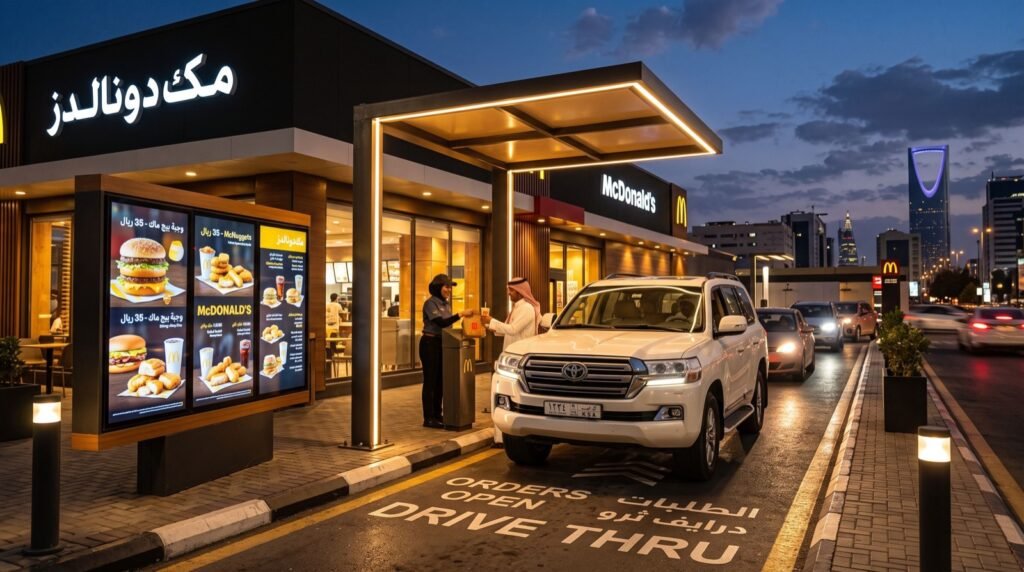
Speed sells. For quick-service restaurants in the Kingdom, a modern drive thru system in Saudi Arabia is now the difference between a packed lane and a line of cars that gives up and leaves. In 2026, operators in Riyadh, Jeddah, and the Eastern Province are investing in order-timing, digital menu boards, and smart lane technology to serve more cars per hour without sacrificing accuracy.
This playbook breaks down how drive thru technology works, which metrics matter, and how to pick a setup that keeps your lane fast during the dinner rush. Whether you run one branch or fifty, the fundamentals are the same: measure everything, remove friction, and never let a car wait without a reason.
Why the drive thru lane decides your revenue
In a busy QSR, the drive thru often drives the majority of daily orders. Every extra second per car multiplies across hundreds of transactions. Shave ten seconds off the average service time and you may fit several more cars into each peak hour.
Saudi diners expect that speed. The regional foodservice market keeps growing, and digital ordering has raised the bar for convenience. Industry trackers such as Mordor Intelligence report steady expansion in the Saudi foodservice sector, which means more competition for the same hungry drivers.
What a complete drive thru system in Saudi Arabia includes
A full setup is more than a speaker and a window. The best lanes blend hardware, timing software, and clear communication into one smooth flow.
Key building blocks
- Order timers that measure each stage from greet to hand-off.
- Digital menu boards that update pricing and promotions instantly.
- Headset or communication systems so crew hear every order clearly.
- Point-of-sale integration that ties orders to payment and kitchen screens.
- Lane analytics that reveal where cars slow down.
One proven platform in this space is the PAR Drive Thru in Saudi Arabia, which focuses on timing accuracy and order visibility across the lane. The right platform shows managers exactly where seconds leak away.
Managing the lane like a queue, not a line
Smart operators treat the drive thru as a controlled queue rather than a random line of cars. The same thinking behind a queue management system in saudi arabia applies outdoors: measure the flow, predict the pressure, and act before a jam forms.
That mindset turns the lane into a system you can tune. You stop guessing and start adjusting staffing, menu layout, and prep timing based on real numbers.
Drive thru metrics that matter
Track these every shift. Small, consistent gains compound fast.
| Metric | What it measures | 2026 target range |
|---|---|---|
| Total service time | Greet to hand-off per car | Under 200 seconds |
| Order accuracy | Correct orders vs. total | Above 95 percent |
| Cars per hour | Throughput at peak | Branch specific, trending up |
| Pull-forward rate | Orders parked to wait | As low as possible |
How do you speed up a slow drive thru lane?
Start with data, not instinct. Pull a week of timing reports and find the slowest stage. Usually it is the gap between order and payment, or payment and hand-off.
Practical fixes that work
- Pre-stage popular combos during known peak windows.
- Split order-taking and payment into separate points where space allows.
- Use clear, tested menu boards to cut decision time at the speaker.
- Train crew on headset etiquette so repeats drop.
- Review timer data in daily huddles, not just monthly reports.
None of these require a full rebuild. Most are process changes powered by the data your system already collects.
Choosing the right implementation partner
Technology is only half the story. Installation, calibration, and after-sales support decide whether the system pays off. Choose a partner with local service coverage and QSR experience, not just a hardware catalog.
Working with reliable local experts who understand Saudi operating conditions, peak patterns, and multilingual staffing means fewer surprises after go-live. Ask for branch references and a clear maintenance plan before you sign.
Designing a lane that scales
Peak-hour performance starts with layout. A lane that works at lunch may jam at dinner if the design cannot flex. Smart operators plan for the busiest realistic hour, not the average one.
Dual lanes help high-volume sites split traffic, while tandem ordering points let two cars order at once before merging to a single payment and pickup window. The right choice depends on your plot size, traffic direction, and local regulations.
Layout factors that drive throughput
- Stacking space: enough room so waiting cars never block the street.
- Menu board placement: positioned so drivers decide before reaching the speaker.
- Pull-forward bays: dedicated spots for orders that need extra prep time.
- Clear signage: simple visual cues that guide first-time visitors.
Technology then layers on top of good design. Timers reveal whether your layout actually delivers, and the data tells you when to add a second order point or adjust staffing.
Training the crew behind the numbers
Hardware alone does not shave seconds; people do. The fastest lanes pair reliable equipment with crews who know their roles cold. Order-takers confirm items clearly, payment staff keep cards and receipts moving, and expeditors stage bags before the car arrives.
Daily huddles turn data into habit. When a shift leader shares yesterday’s service time and one specific fix, crews improve far faster than they would from a monthly report nobody reads. Celebrate small wins so the team stays motivated through long peaks.
Consistency across shifts matters just as much. A lane that flies at lunch but stalls at night usually has a training gap, not a technology gap. Train every shift to the same standard and the numbers even out.
Frequently Asked Questions
What is a good average drive thru service time?
In 2026, leading QSR brands aim for total service times well under four minutes, with many targeting the two-to-three minute range during peaks. The exact goal depends on menu complexity and lane design, so track your own baseline first.
Can a drive thru system in Saudi Arabia integrate with my POS?
Yes. Reputable platforms connect directly to major point-of-sale and kitchen display systems, so orders, timing, and payments stay in sync without manual re-entry.
Do I need digital menu boards to see results?
They help. Digital boards let you push promotions, hide sold-out items instantly, and reduce decision time at the speaker, all of which shave seconds off each order.
How long does installation take?
A single lane can be equipped and calibrated within days. Multi-branch chains usually phase rollouts so each location gets proper staff training and timing validation.
Conclusion
A well-tuned drive thru system in Saudi Arabia protects your busiest revenue channel. By measuring every stage, upgrading menu and timing hardware, and treating the lane as a managed queue, you serve more cars, make fewer mistakes, and keep drivers coming back in 2026.
Want faster lanes before your next peak season? Book a lane assessment, review your timing data, and let a specialist team design a setup that fits your branches.